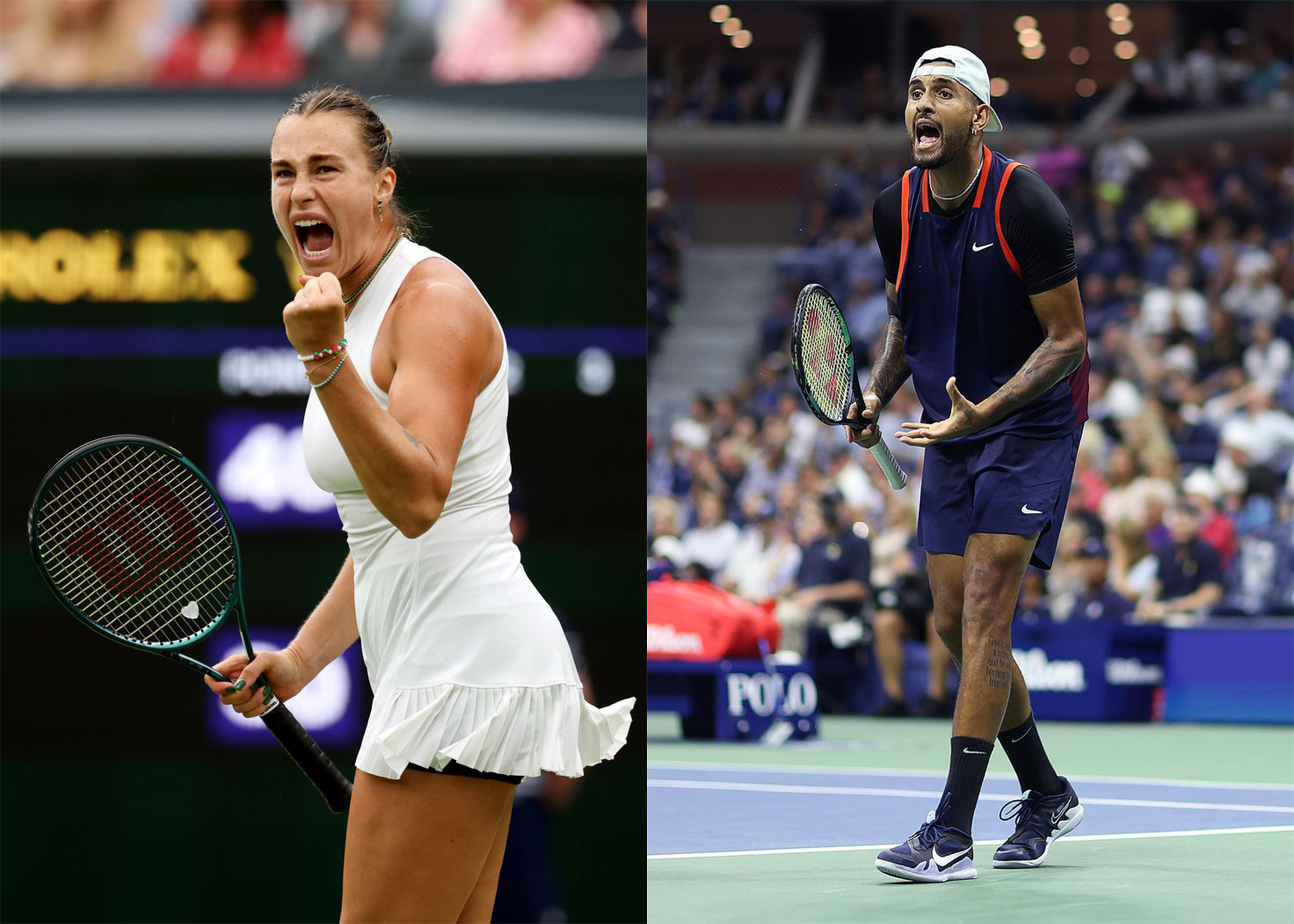
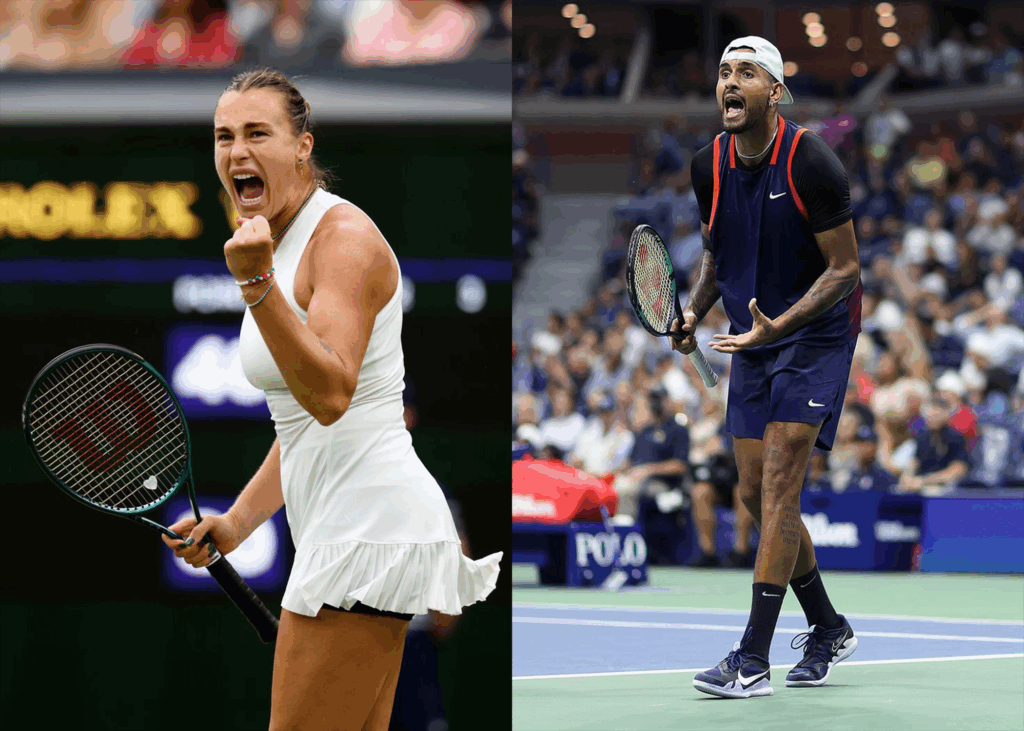
Mark your calendars, because tennis is serving something extra this December. On 28 December 2025, world No. 1 Aryna Sabalenka and Australian firebrand Nick Kyrgios will face off in a modern “Battle of the Sexes” exhibition at Dubai’s Coca-Cola Arena, a show designed for headlines, theatre, and a little history-making.
This isn’t a regular match. It’s an event with rules bent to keep things entertaining and (supposedly) fair: reports say each player will have one serve per point, Sabalenka’s side of the court will be slightly smaller to balance the matchup, and the format will be best of two sets with a 10-point tiebreak if needed. In short: expect creativity, crowd cues, and popcorn moments, not ranking points.
The players, in their words
Sabalenka, the reigning US Open champ and four-time major winner, is taking this seriously. She’s spoken about her respect for the history of these matches and for Billie Jean King specifically, saying she’s “proud to represent women’s tennis” and that she’s “ready to bring my A-game.” That line? It matters. It’s not just bravado, it’s the modern echo of a fight for respect that started decades ago.
Kyrgios, who’s played sparingly this year while returning from injury, frames the match differently: as entertainment. He’s said he’ll relish the chance to play Sabalenka, saying, “When the world number one challenges you, you answer the call” and reminded everyone he’s there to put on a show. Expect cheek, charisma, and probably a few viral moments.
The ghosts in the stands: lessons from past “Battles”
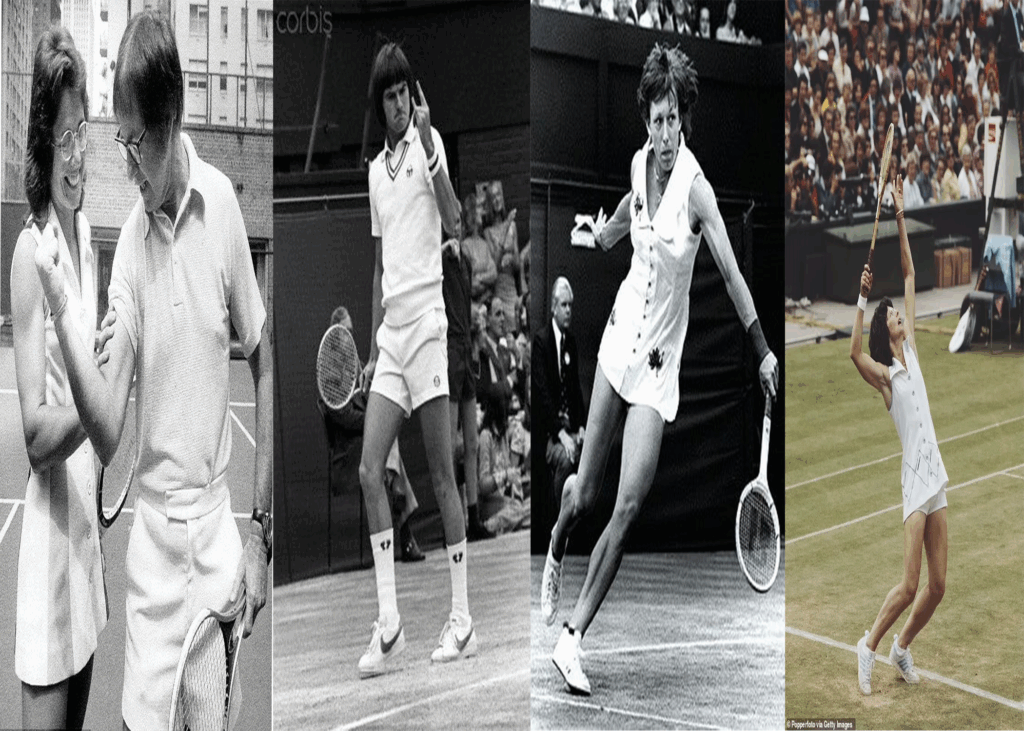
This kind of matchup carries a heavy, iconic history. The most famous precedent is Billie Jean King vs. Bobby Riggs (1973) , a match that transcended sport. King’s straight-set win over Riggs became a cultural landmark for women’s sport and gender equality. It told the world that women’s athleticism deserved respect, and it changed conversations, sponsorships, and opportunities.
There was also the 1992 Connors vs. Navratilova exhibition and other novelty showdowns that played with rules and spectacle. Those matches weren’t about rewriting the record books, they were about attention: highlighting differences, inviting debate, and sometimes, lifting the profile of the women’s game.
Why this match matters now
On surface level, it’s entertainment. On a deeper level, it’s symbolic: a global No. 1 woman at the peak of her power, stepping into a match framed against a man known for flash, not consistency. Sabalenka representing the women’s side while Kyrgios plays the role of showman invites conversation about respect, visibility, and what women’s tennis has earned in legitimacy.
If done respectfully, with Sabalenka in the spotlight for her skill rather than as a novelty, this match can remind fans how far the women’s game has come and why those gains matter.
Could Africa host a “Battle” like this? (Short answer: yes, with work.)
Picture this: a packed stadium in Accra, Lagos, or Johannesburg hosting an exhibition that sparks the continent. It’s absolutely possible and in many ways desirable. But for an African edition to be meaningful (not just flashy), three things need to line up:
Infrastructure & investment: world-class arenas, broadcast capability, and reliable event logistics.
Regional talent & storytelling: rising African stars who can carry the narrative and draw local pride. The continent has talent; it needs higher-profile pathways.
Sponsorship & media: brands that see long-term value in investing in African women’s sport, and media partners who will amplify the event beyond the day itself.
When those pieces come together, an African “Battle” wouldn’t be a novelty; it could be a celebration, loud, proud, and platform-building for local women athletes.
Hey Girl talk, short and sharp
We love spectacle, but we love respect more. Sabalenka vs. Kyrgios can be exciting and meaningful if the focus stays on athleticism, not cheap theatrics. Sabalenka has the platform to remind the world that women’s tennis is elite sport; Kyrgios gives the showmanship together, they could make it both sport and theatre.
And Africa? Don’t sleep on us. With investment, infrastructure, and our athletes’ talent, the next big tennis moment could be played under African skies with drums, flags, and a generation of women who know exactly what playing for more than a trophy looks like.
Source: Timothy Abraham, BBC Sport (Nov 4, 2025).