You’ve probably felt it. Walking onto a tennis court for the first time. Showing up at a golf driving range. Joining a swim class. That quiet, uncomfortable feeling of “do I belong here?“
You weren’t imagining it. That feeling has a history. A very long one.
The Colonial Blueprint
When European colonisers arrived across Africa in the 1800s, they didn’t just take land and resources. They brought their entire way of life including their sports. Tennis, golf, cricket, polo, swimming, these weren’t just games. They were social signals. A way of saying: this is who we are, and this is not for you.
Sports like tennis were played exclusively in elite clubs, private residences and colonial schools. Access was deliberately restricted by cost, by membership, by race, by class. The message was clear: these courts, these greens, these pools were for the coloniser and the small African elite educated in mission schools who were allowed to assimilate.
The colonised peoples weren’t absent from sport far from it. Before colonialism, African communities had rich athletic traditions: stick fighting, cattle racing, dance competitions, wrestling. But those traditions were dismissed as primitive while European sports were elevated as sophisticated.
The Price of Entry
The elitism didn’t die with colonialism. It just changed its clothes.
Today, to be a competitive tennis player you need court fees, private coaching, equipment, tournament entry fees and travel costs. Golf requires club membership, equipment and greens fees. Swimming pools in most African cities are private, expensive and concentrated in wealthy neighbourhoods.
Less than 1% of PGA golf members are African American and the situation in Africa is no different. These sports have kept their gatekeeping mechanisms intact, just without the explicitly racial language.
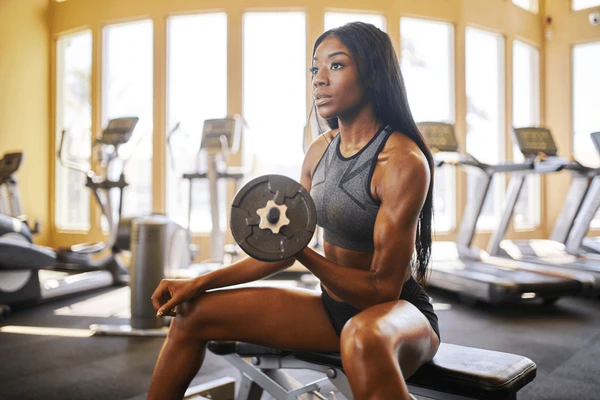
And for African women specifically? The barriers stack up. Cost. Culture. The deeply embedded belief that certain sports are “not for us.” The whispers and sometimes the outright statements: that lifting, competing, sweating hard will make you “look masculine.” That these elite sports require a certain kind of body, a certain kind of background, a certain kind of woman.
Black Women Who Said No Anyway
History is full of African and Black women who walked through those gates uninvited and won.
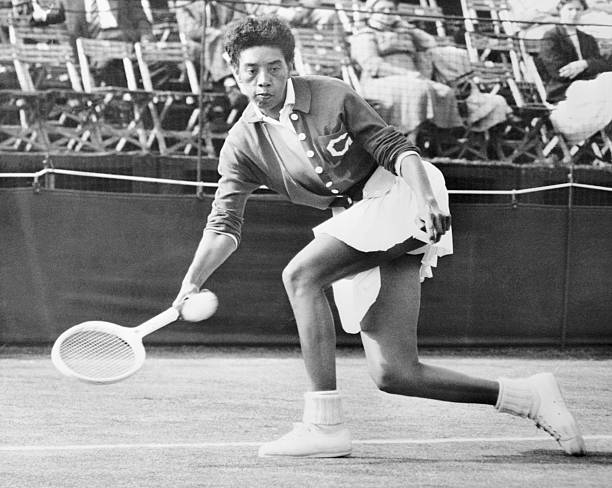
Althea Gibson broke tennis’s colour barrier in the 1950s, but was forced to conform to white femininity just to be allowed to compete. Straightened hair. Appropriate dress. Contained expression. She had to become someone else to play a sport she was better at than anyone.
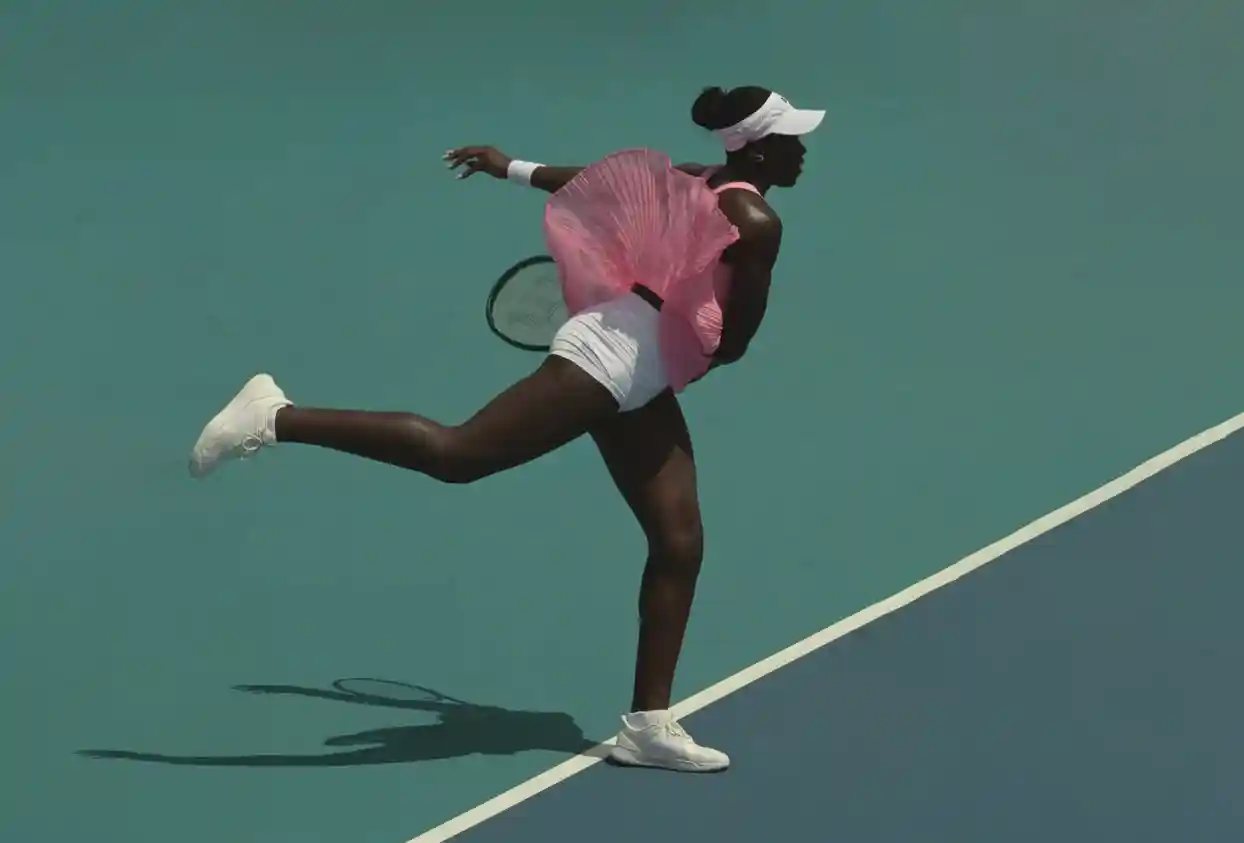
Then came the Williams sisters: Venus and Serena, who didn’t just enter tennis. They redefined it. And still faced a lifetime of coded language about their bodies, their style, their “aggression.”
Every Black and African woman who picks up a racket, a golf club, or jumps in a pool is continuing that lineage. Whether she knows it or not.
The Change Happening Right Now
Things are shifting. Slowly, but unmistakably.
Right here in Accra, the Africa Tennis Connect Foundation is running free tennis clinics in public schools in communities like Ledzokuku, 3SF in Cantonments, introducing children who would never otherwise access the sport to tennis in a joyful, culturally relevant way. The court is coming to the community instead of the other way around.
Globally, organisations like Black Girls Tennis Club in the US served over 600 participants in 2025 alone , blending tennis with wellness practices like meditation and community building. Their mission: “to liberate Black women and girls through play.”
The democratisation of these sports is happening. And African women are at the centre of it.
What This Means for You
You don’t need anyone’s permission to pick up a racket. To join a swim class. To tee off for the first time. To walk into any space where your body gets to move freely.
The feeling that these spaces weren’t built for you? You’re right. They weren’t.
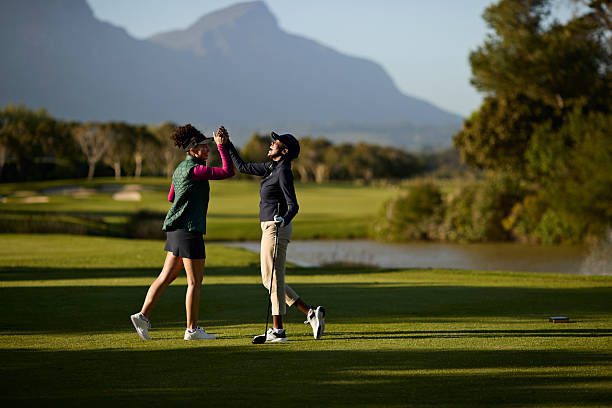
But you’re here anyway. And that changes everything.
At HeyGirl Wellness, we believe every African woman regardless of age, background, body type or budget deserves access to every sport, every practice, every form of movement that makes her feel alive. No outside noise. No gatekeeping. Just you and your wellness.
Which sport have you always wanted to try but felt it wasn’t for you? Tell us in the comments.