By Hey Girl Wellness Editorial Team
Adapted evidence-informed editorial (sources up to June 2024).
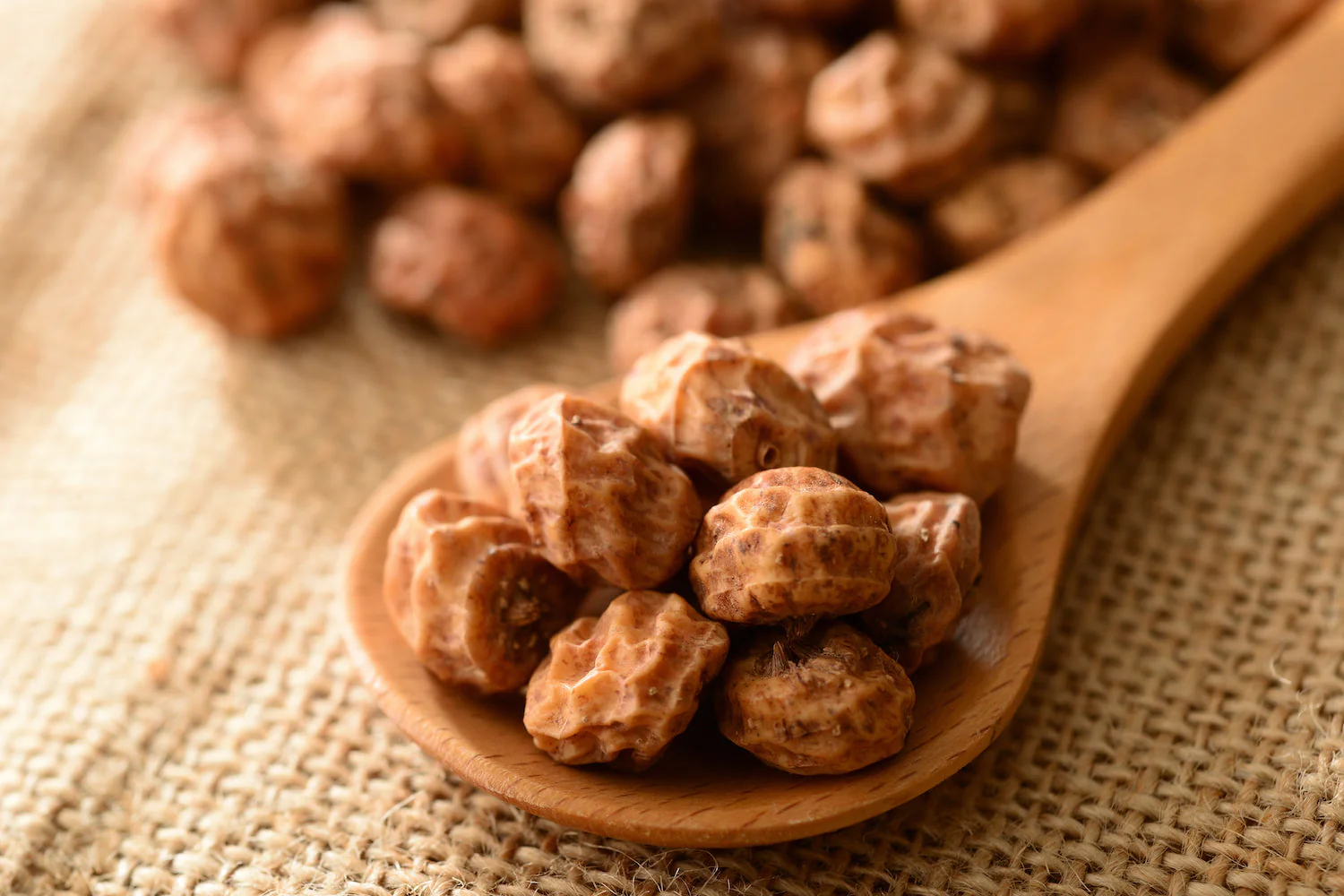
Meet the tigernut, small, humble, and underappreciated outside of Africa. Known locally as chufa, atadwe, or aya depending on region, this tuber has been a staple snack, drink base, and traditional remedy across the continent for centuries. For African women juggling work, family, and self-care, tigernut offers an accessible, culturally familiar, and nutrient-dense food that can support energy, digestion, metabolic health, and more.
What is a tigernut?
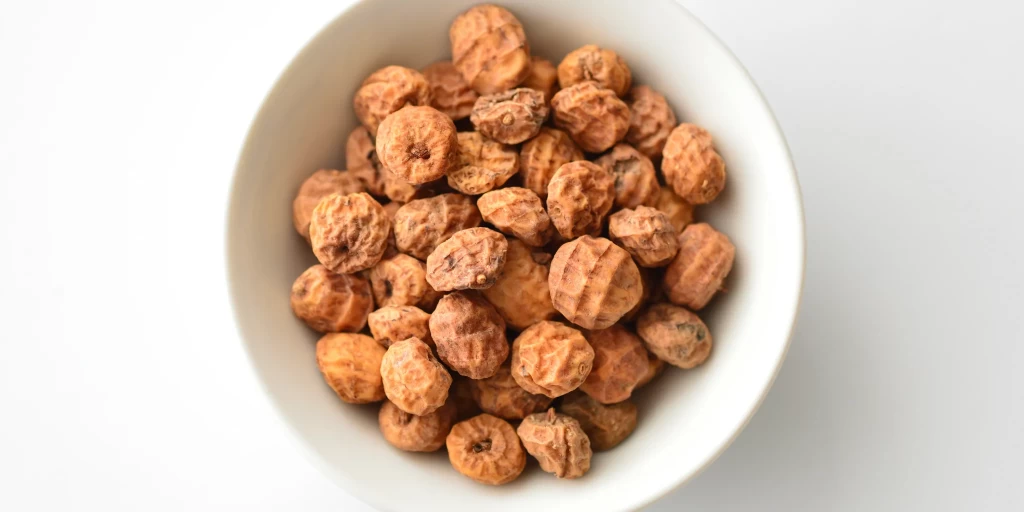
Tigernut (Cyperus esculentus) is not a nut at all but a tuber: a small underground bulb that stores nutrients for the plant. It’s eaten whole (dried or fresh), ground into flour, or blended into a creamy, naturally sweet “tigernut milk” (similar to horchata de chufa in Spain). The tuber is naturally gluten-free and has a pleasantly sweet, nutty flavor that blends into both sweet and savory dishes.
Why it matters for women’s health
1. Energy and balanced blood sugar
Tigernuts provide a mix of carbohydrates including resistant starch and fiber plus healthy fats. That combo slows glucose absorption and can help stabilise blood sugar after meals. For women managing busy days, perimenopausal insulin sensitivity changes, or training schedules, a snack or breakfast made with tigernut can deliver steady fuel without the crash of refined carbs.
2. Gut health and digestion
Tigernut resistant starch acts like a prebiotic: it feeds beneficial gut bacteria. A healthier gut microbiome supports digestion, can reduce bloating and irregularity, and may even influence mood and appetite regulation all important for overall wellbeing and for women who often carry heavy domestic and emotional labor loads.
3. Healthy fats and hormonal support
Tigernuts are relatively rich in monounsaturated fats (the same heart-healthy type you find in olive oil). These fats support cellular health and are building blocks for hormones. They also help absorption of fat-soluble vitamins (A, D, E, K), important for skin, bone health, and immune function areas women commonly prioritize across life stages.
4. Micronutrients for resilience
The tubers contain minerals such as magnesium, phosphorus, and iron in modest but meaningful amounts, along with vitamin E and antioxidants. These nutrients support bone health, energy metabolism, and protect cells from oxidative stress which matters for recovery after childbirth, intense workweeks, or exercise routines.
5. Versatility for nutrition-sensitive moments
Tigernut’s gentle taste and texture make it an ideal option across life stages: as a gentle, calorie-dense snack for new mothers; as a gluten-free flour alternative for people with sensitivities; as a quick energy source before workouts; or as a calming, easy-to-digest beverage for older adults.
What does the research say? (evidence-informed summary)
– Nutritional analyses of tigernut tubers consistently show a composition rich in fiber, resistant starch, and unsaturated fats, with a useful profile of minerals and antioxidants. These analyses have been published in food science journals and by agricultural research groups.
– Animal and in vitro studies have documented potential benefits for lipid profiles, antioxidant status, and prebiotic effects of tigernut components. Some small human studies and nutritional interventions have reported improved postprandial glycemic responses when tigernut products are included in meals, and improvements in markers of gut health — though larger clinical trials are limited.
– Tigernut flour has been used successfully in gluten-free product development, and tigernut milk offers a lactose-free dairy alternative with favorable acceptability in sensory studies.
Important: while the existing body of research is promising, many studies are small or preliminary. Rigorous, large-scale human clinical trials are still needed to confirm long-term health effects and quantify optimal intake for different populations.
How to use tigernut, practical, African-friendly ideas
Tigernut milk (aya): Soak dried tigernuts overnight, blend with water, strain to make a lightly sweet, creamy drink. Add ginger, cinnamon, or a pinch of ground nutmeg for warmth. Serve chilled or warm.
-Snack on dried tigernuts: A natural, portable snack. Combine with roasted groundnuts or dried fruit for a balanced trail mix.
Tigernut porridge: Grind tigernut into flour and make porridge with water or milk; sweeten with honey or mashed banana and add toasted groundnuts for texture.
Bake with tigernut flour: Substitute part of wheat flour with tigernut flour in pancakes, muffins, or flatbreads to increase fiber and healthy fat content.
Postpartum spoonful: For new mothers needing gentle calories, tigernut milk with added groundnuts and dates can be nourishing and easy to digest.
Safety, allergies, and quality
Tigernut is generally well-tolerated. True nut allergies are not typically a concern (since it’s a tuber), but cross-contamination in processing facilities can occur. As with any food, start with small amounts if trying it for the first time. Because tigernut products are calorie-dense, portion control matters for those managing total energy intake.
Economic and empowerment angle
Tigernut cultivation and processing are often done by smallholder farmers and local women processors in parts of Africa. Supporting local tigernut value chains can be an income opportunity for rural women, create jobs in processing and marketing, and increase access to nutritious, culturally relevant foods in local markets.
Hey Girl’s bottom line
Tigernut is a culturally familiar, nutrient-dense, and versatile food that fits neatly into African women’s lives. It’s not a magic bullet, but as part of a balanced diet, it offers real, practical benefits: steady energy, gut-friendly fiber, healthy fats for hormonal health, and an accessible vehicle for micronutrients. For women balancing family, work, and wellbeing, adopting tigernut in everyday meals can be a small change with meaningful returns.
Research & reading notes
This editorial was written as an evidence-informed summary based on peer-reviewed food composition studies, small clinical and preclinical trials, and nutrition reviews available up to mid-2024. Representative research themes include nutritional composition analyses (fiber, resistant starch, fatty acid profile), prebiotic effects on gut microbiota, lipid and glycemic response studies, and food product development research using tigernut flour or milk.